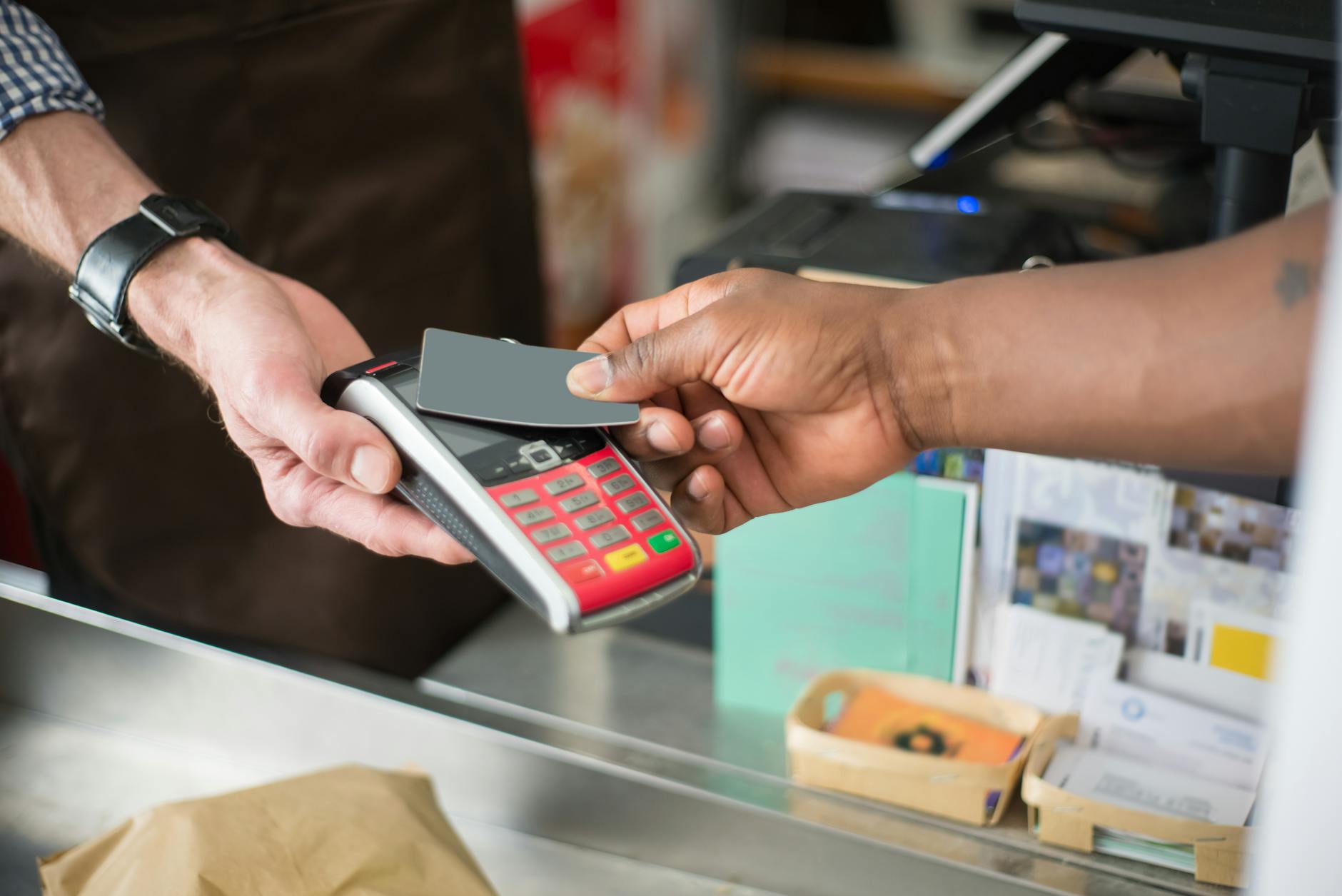
Singapore-based infrastructure provider StraitsX reports explosive growth in its stablecoin card program across Southeast Asia. Transaction volumes surged 40 times between the fourth quarter of 2024 and the same period in 2025. The company attributes this expansion to strategic partnerships with major fintech players like RedotPay. This data points to one of the fastest-growing stablecoin card programs in the region.
Market Expansion
RedotPay processed over $2.95 billion in card volume during 2025 alone. This figure places the partner at the center of the category within the region. StraitsX acts as the underlying infrastructure rather than a consumer-facing application. Artemis Analytics estimates global monthly volumes grew significantly during this period.
Industry-wide data supports this upward trajectory for crypto-backed payment methods. Global monthly volumes grew from roughly $100 million in early 2023 to over $1.5 billion by late 2025. Visa captures over 90% of onchain card volume according to Dune Analytics. Visa's stablecoin-linked card spend alone reached a $3.5 billion annualized run rate by Q4 2025.
Infrastructure Strategy
StraitsX aims to make its stablecoin layer invisible to the end user. CEO Tianwei Liu stated that customers only care if the payment goes through. The company processes nearly $30 billion in cumulative stablecoin transactions. Liu wants stablecoins to act like fiber-optic cables present everywhere but unnoticed.
No user cares about whether a payment runs on stablecoins or fiat; they only care if the payment goes through. That attitude frames the company's strategy to make the stablecoin layer invisible. Liu stated that the best infrastructure is one people do not see.
Future Developments
XSGD already leads the non-USD stablecoin market in Southeast Asia with more than 70% share. It maintains a 1:1 peg with the Singapore dollar, backed by monthly audits. This peg gained further relevance early in the year when the Singapore dollar hit an 11-year high against the U.S. dollar. Future plans include launching XSGD and XUSD on the Solana blockchain by March.
These tokens will support the x402 standard for machine-to-machine micropayments. Liu explained that fees dropping close to zero allows for continuous, low-cost data flows. Payments start to look more like internet data flows, embedded directly into applications. That deployment, in partnership with the Solana Foundation, marks the first time both tokens will live natively on a high-speed blockchain.
Cross-border initiatives like Project BLOOM facilitate seamless travel payments. Thai travelers can now scan QR codes in Singapore using KBank's Q Wallet. The system converts local currency in the background without user retraining. Liu said the model follows a familiar playbook similar to GrabPay and Alipay+ integrations.
Visa views the shift as a natural evolution in payment systems. Adeline Kim, Visa's Singapore and Brunei country manager, compared stablecoins to electric vehicles on a highway. She noted that vehicle fuel changes but the road rules remain the same. She expects future offerings to include real-time spending insights and cross-border perks.