According to El Universal, bean producers in Zacatecas resumed road blockades in the state capital this Monday for the sixth consecutive week. The demonstration targets federal authorities regarding significant changes to agricultural storage regulations and payment terms. Farmers warn that protests will continue indefinitely until their demands are addressed by the government. They argue that the current policy excludes smallholders from vital financial support mechanisms. The situation remains volatile as negotiations stall between the two parties.
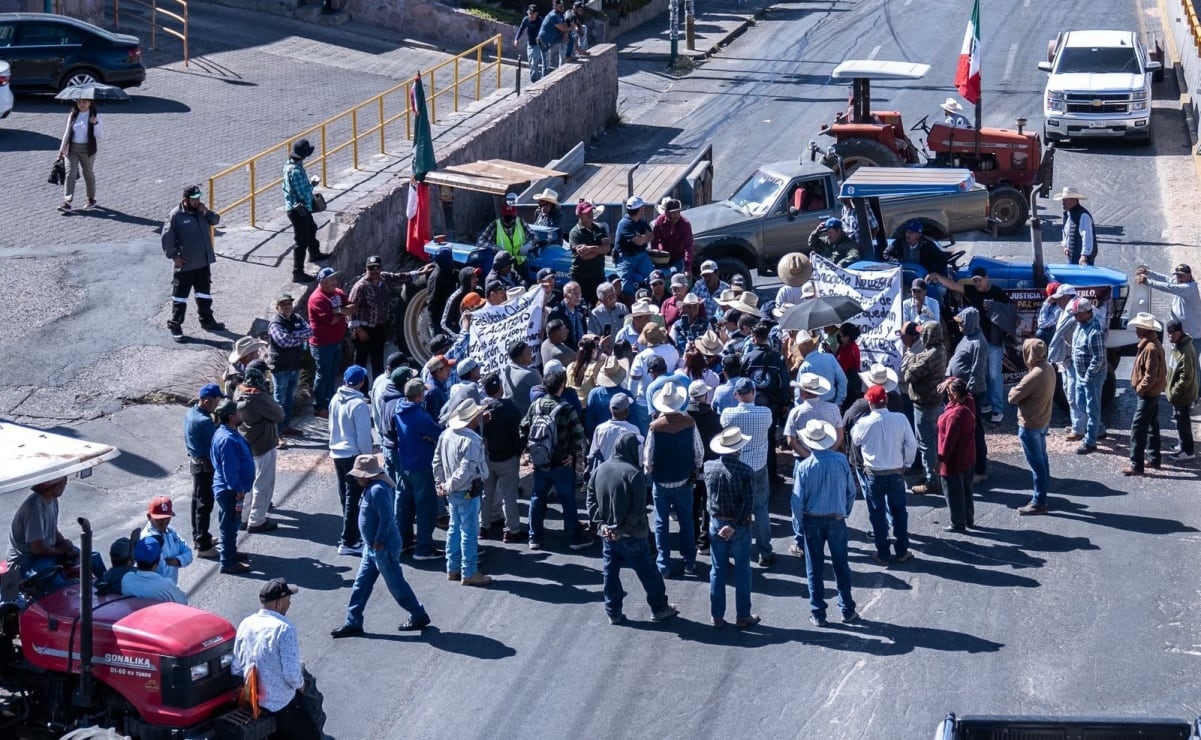
Prominent leaders Isaías Castro and Rubén Hernández organized the main action from the municipality of Villa de Cos in the semidesert zone. They blocked Heroes de Chapultepec Boulevard, the primary artery connecting the metropolitan area of Zacatecas to Guadalupe. Tractors arrived early in the morning to halt traffic, and sacks of beans were scattered on the pavement. The visual display was intended to highlight the volume of produce that cannot be sold under current rules. Police monitors observed the scene without immediate intervention to remove the vehicles.
The core grievance involves a recent modification to the federal storage program rules that reduced the allowable delivery limit. Producers claim the cap was lowered from 15 tons down to five tons per farmer without adequate consultation. They insist on selling their crops at the federally operated centers where the price remains set at 27 pesos per kilogram. Many farmers argue this reduction prevents them from covering their operational costs for the current season. The change effectively limits their ability to generate sufficient revenue from the harvest.
Rubén Hernández explained the severe financial strain on smallholders during a press briefing near the protest site. He stated that many debtors face moratory interest on tractor loans and cannot afford to prepare for the new production cycle. Hernández described the situation as desperate, noting that hunger forces people to take to the streets despite risks to their livelihoods. He emphasized that the 2026-2027 cycle is already a concern for family survival in the region. The economic pressure has intensified since the rule change was announced last year.
Farmers have directed specific criticism toward Ángel Olais Ávila, head of the Food Provision Unit for Well-being under the federal administration. They accuse him of fostering a corruption network within storage centers to benefit commercial intermediaries rather than small producers. The group demands the federal government intervene immediately to stop what they describe as illegal extraction of resources. They believe the current leadership prioritizes intermediaries over the welfare of the agricultural workforce. This accusation adds a layer of political complexity to the economic dispute.
Governor David Monreal also faces significant backlash for his perceived lack of direct intervention in the ongoing crisis. Protesters expressed deep disappointment that the state head has not offered support during these particularly difficult economic times. They warned of future political repercussions if the administration does not prioritize rural demands over bureaucratic procedures. Some participants indicated they would not support the governor in the 2027 election if issues remain unresolved. The relationship between the state government and rural unions appears to be deteriorating rapidly.
Other organizations joined the mobilization, including the Zacatecas Popular Struggle Front affiliated with federal deputy José Narro Céspedes. This group occupied the state Finance Secretary offices to demand immediate payment for Cendis workers in the region. They allege that wages have been outstanding for several months, creating additional instability among rural laborers. The presence of multiple groups suggests a broader dissatisfaction with local governance structures. Coordination between these factions varies but unites them against perceived neglect.
The Union of Agricultural Wells of Zacatecas targeted the National Water Commission and Agriculture Secretariat buildings in the capital. They seek the integration of 500 pending applications into the Special Energy Program for the Countryside to ensure operational viability. Leaders threatened to block federal highways if their requests are not resolved by Tuesday following the initial deadline. Water access is critical for irrigation in the arid Zacatecan landscape during this period. These concessions determine the long-term sustainability of their agricultural operations.
Meanwhile, a teachers union from the Rural Normal School in Francisco R. Murgía maintains a lockout of the Education Secretariat building. The group has held the government facility for 15 days to demand clarity on upcoming hiring and promotion contests for staff. This adds to the broader unrest across multiple sectors in the region as public sector grievances converge. The teachers cite confusion regarding the criteria for entry into the public education system. Their demands remain distinct from the agricultural claims but contribute to the general climate of protest.
The situation highlights ongoing tensions between rural producers and federal agricultural policy implementation across the state. Escalation could disrupt regional commerce and impact national food supply chains further down the line. Observers will watch for government concessions or potential security crackdowns in the coming days to manage the unrest. The outcome of these negotiations will likely influence agricultural investment in the semidesert region. Economic stability depends on resolving these disputes before the planting season concludes.