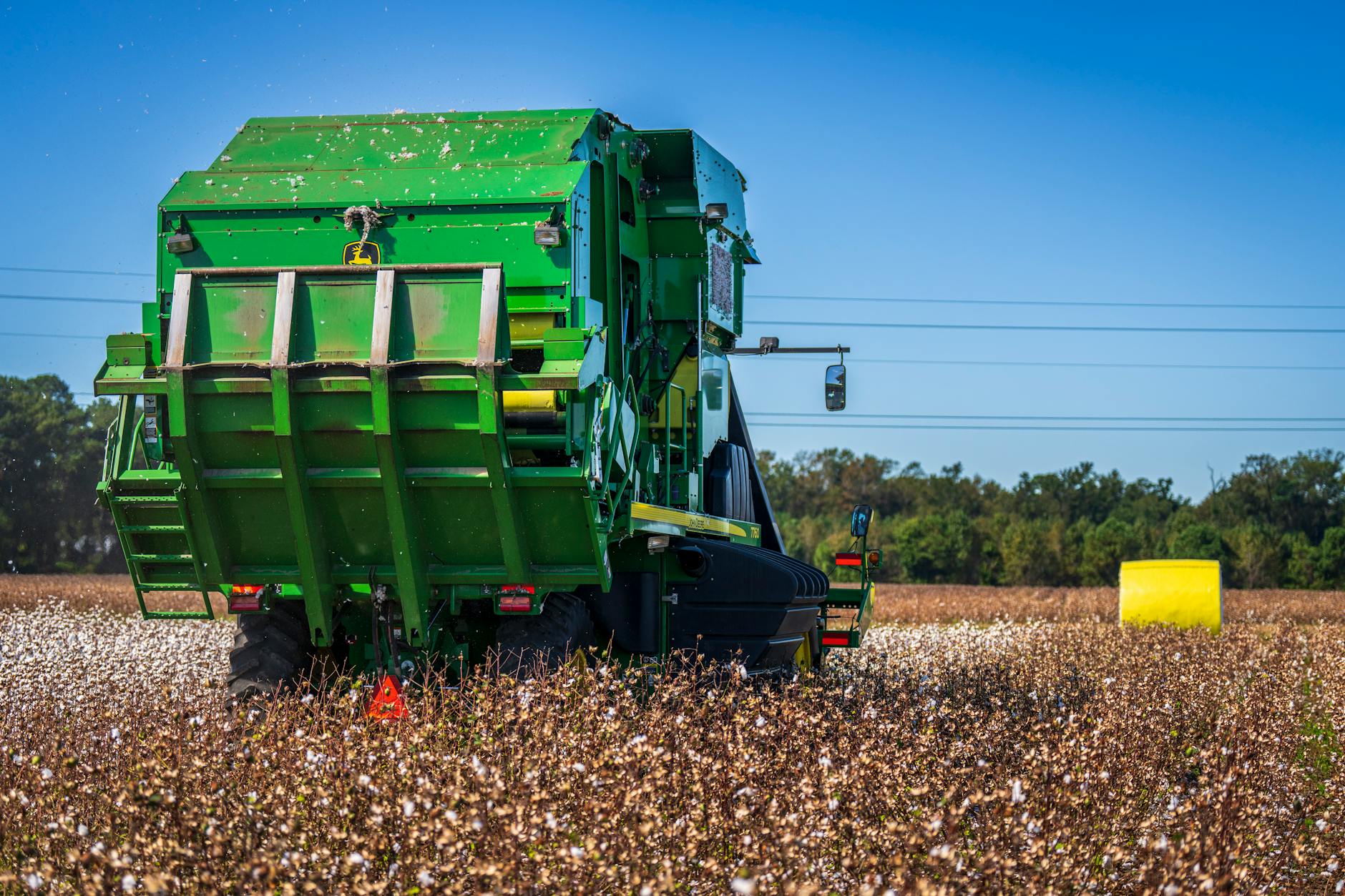
The U.S. Department of Agriculture announced the 'Great American Cotton Plan' on Thursday, a new protectionist initiative designed to subsidize domestic cotton growers. The program will distribute $16 million annually through the Pima Agriculture Cotton Trust Fund to help farmers struggling with market volatility.
Under the plan, the government has established a price floor of 55 cents per pound for upland cotton and $1 per pound for extra-long staple varieties. If market prices fall below these thresholds, taxpayers will cover the difference. Recent data from the USDA shows that the price of upland cotton is already trending downward, falling from 69 cents per pound last week to a projected 63 cents this week.
Agriculture Secretary Brooke Rollins defended the subsidies, claiming they are necessary to protect domestic growers. 'The plan is necessary to help domestic growers who are being crushed by rising costs, unfair foreign competition, and a flood of cheap synthetic products,' Rollins said in a statement.
Trade policies cited as root cause of decline
While the administration blames global competition for the industry's struggles, reporting from reason.com suggests the decline is a direct result of President Trump’s trade policies. The report notes that 84 percent of U.S. cotton has been exported over the last decade, indicating a reliance on stable international markets that have been disrupted by retaliatory tariffs.
During the first Trump administration, a two-year trade war with China allowed Brazil to overtake the U.S. as the world’s leading cotton exporter. Retaliatory tariffs from China, which reached as high as 65 percent, contributed to a $25.7 billion decrease in U.S. agricultural exports. More recent data from 2025 shows that U.S. cotton exports to Turkey dropped by 62 percent as importers sought cheaper alternatives to avoid the ongoing trade friction.
The new plan also directs $13 million in taxpayer funds to the National Cotton Council, an industry trade group. This funding is provided through the Market Access Program, despite the group having received over $140 million in similar support over the past decade. The administration will also utilize this partnership to promote a 'Plant Not Plastic' campaign, attempting to market cotton as a sustainable alternative to synthetic materials.
Farmers and textile manufacturers continue to face rising costs for essential inputs like fertilizer, steel, and aluminum, all of which have become more expensive due to retaliatory duties imposed by countries including India, Canada, and Mexico. Despite these economic realities, the administration shows no sign of shifting its trade strategy, opting instead to continue the cycle of direct bailouts for affected agricultural sectors.