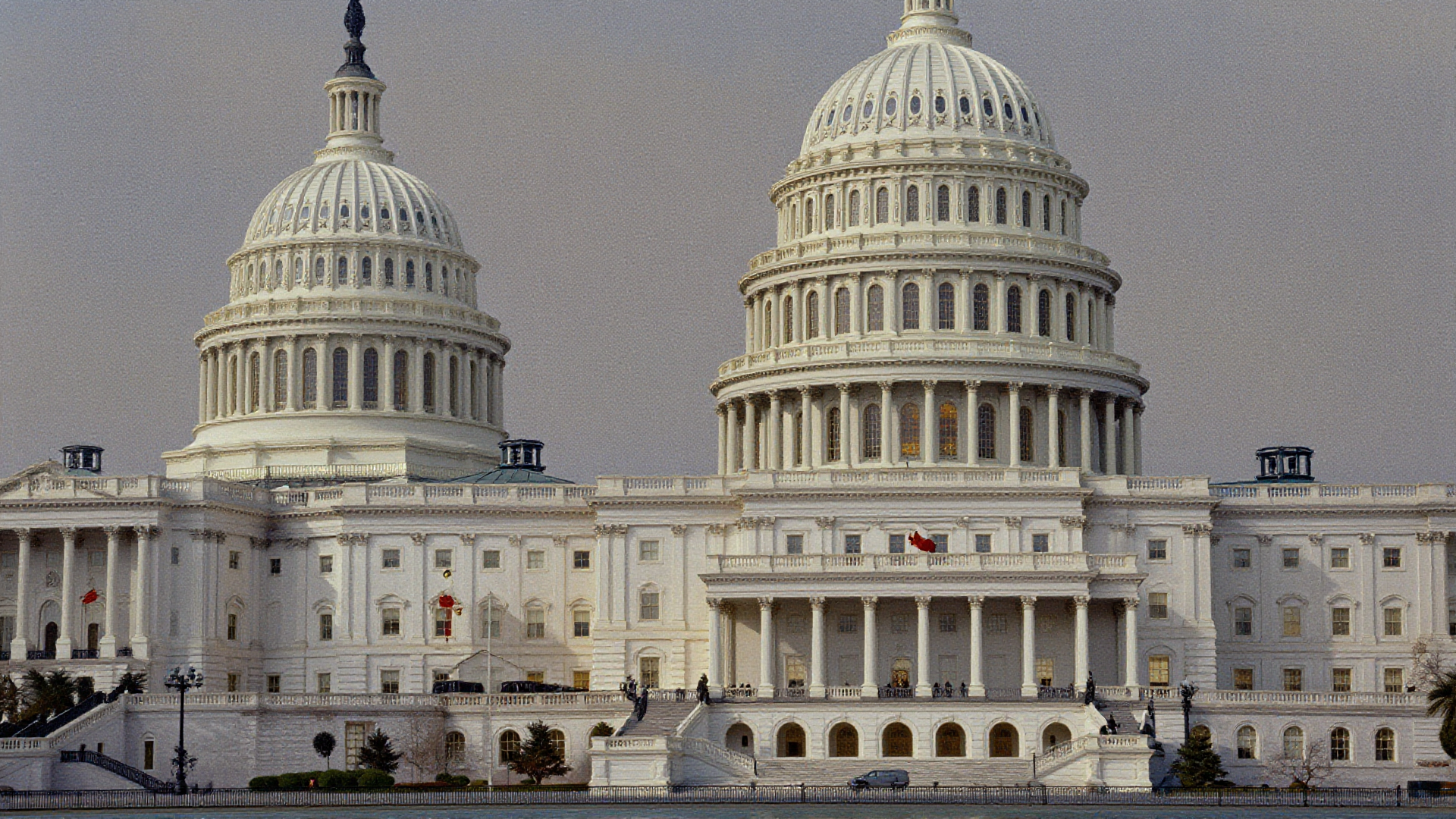
The federal government of the United States entered a partial shutdown precisely at midnight, Eastern Time, on January 31, following a failure to finalize appropriations legislation in both chambers. This development occurred hours after the Senate ratified a measure intended to extend funding for most agencies through September, according to reports from Washington.
The immediate cause of the lapse in funding rests with the House of Representatives, which is currently in recess and is not scheduled to reconvene until Monday, February 2. Lawmakers are expected to vote on the funding package shortly after their return, suggesting the shutdown may be brief, according to sources familiar with congressional scheduling.
Analysts are drawing comparisons to previous protracted funding crises, noting that there appears to be little appetite within the capital for a lengthy closure akin to the 43-day shutdown experienced in the autumn of the previous year. That lengthy dispute, which began October 1, 2025, centered on disagreements between Democrats and Republicans regarding medical benefit provisions for American citizens.
Economists estimated the daily economic toll of the 2025 shutdown to be approximately $15 billion for the US economy, highlighting the financial repercussions of legislative gridlock. The current impasse, while potentially short-lived, injects an element of uncertainty into federal agency operations and contractor payments.
Reports indicated that prior to the current situation, former President Trump and Democratic leaders had reached a preliminary understanding to avert a shutdown. However, internal disagreements within the Trump team, reportedly linked to the Minneapolis shooting incident, complicated the final legislative push, as noted by Politico.
Broader geopolitical considerations are also noted in reporting, including the observation that former President Trump is reportedly contemplating military action against Iran as a means to potentially influence domestic protest movements. Furthermore, recent polling data suggested that the former president's approval rating in the US had declined to a historic low.