Since launching their military offensive on February 28, the United States and Israel have carried out thousands of strikes across the Middle East nation of about 90 million people. These operations have targeted military as well as civilian infrastructure, including hospitals, schools and residential buildings. Tehran reports that more than 2,000 people have been killed in US-Israeli strikes on roughly 90,000 civilian sites. This escalation marks a significant shift in the nature of the conflict, moving beyond purely military objectives.
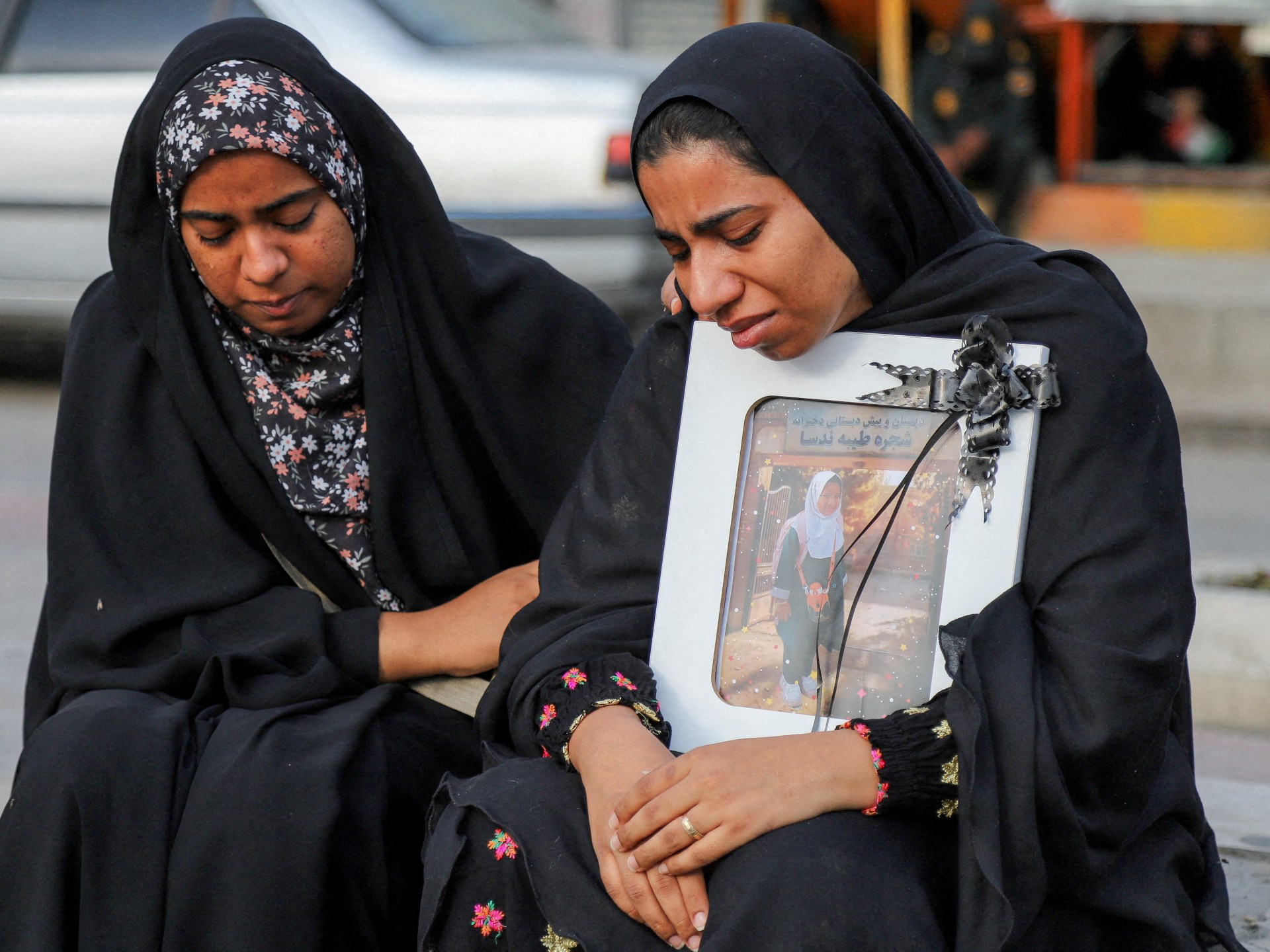
The conflict began with a strike on an elementary girls’ school in the city of Minab on the first day of the war. At least 170 people, most of them girls aged between seven and 12 years, were killed when the missiles struck the facility. President Donald Trump denied that the US had attacked the school, though independent investigations suggest otherwise. Rights groups including Amnesty International have linked the attack to US-manufactured Tomahawk missiles.
Energy Markets Under Pressure
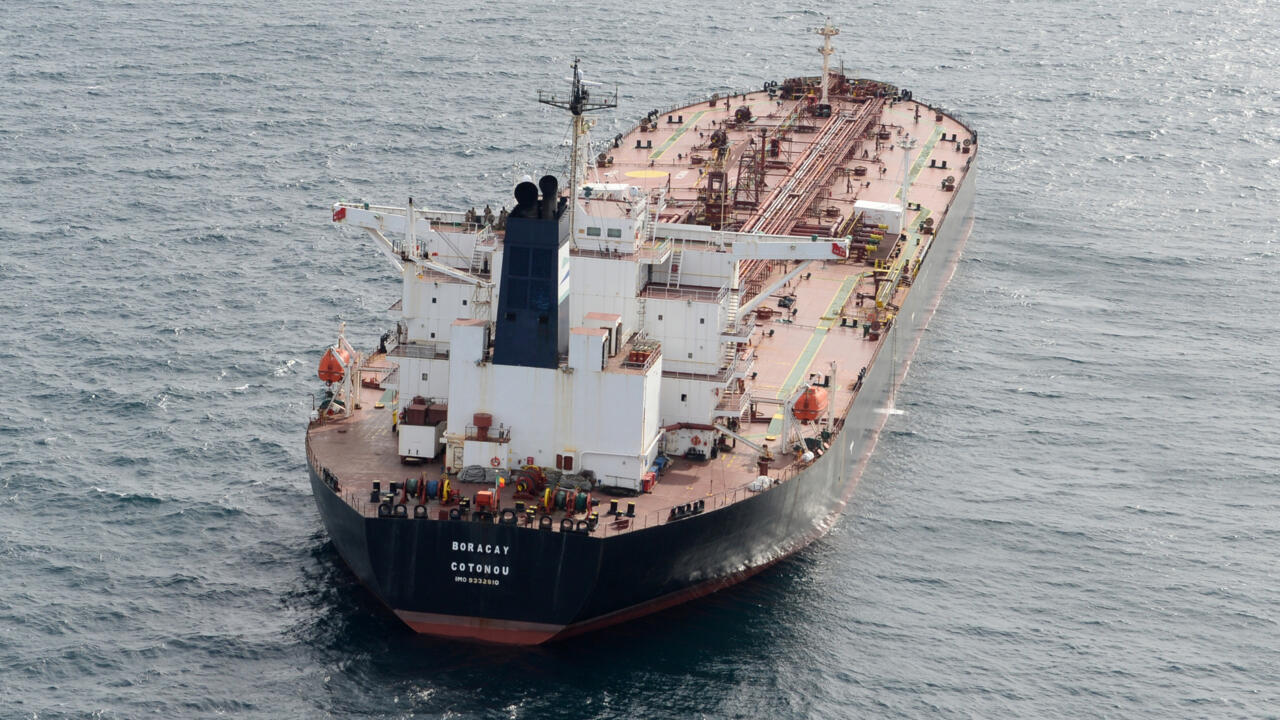
In retaliation for the US and Israel’s strikes, Iran has blocked the Strait of Hormuz, which has led to disruption in global oil and gas supplies. Many countries have begun tapping into their strategic oil reserves to avoid an economic crisis while negotiations on how to reopen the strait continue. Attacks on energy infrastructure in Iran and across the Gulf region are also continuing, further upending global energy supply chains. The situation has raised alarms among major economies dependent on Middle Eastern energy exports.
On March 18, Israel struck Iran’s critical South Pars gasfield, which is part of the world’s largest natural gasfield shared by Iran and Qatar. Trump has said neither the US nor Qatar had any involvement in or prior knowledge of Israel’s initial strike on the South Pars field. Iran retaliated by launching missiles and drones at targets across the Middle East, including energy infrastructure in nearby Arab Gulf states. The strike on South Pars has caused significant concern regarding regional energy security.
Water Infrastructure Targeted
On March 7, Iranian Foreign Minister Abbas Araghchi said a desalination plant on Qeshm Island in southern Iran was attacked by the US. He stated that water supply in 30 villages has been impacted and that attacking Iran’s infrastructure is a dangerous move with grave consequences. "Attacking Iran’s infrastructure is a dangerous move with grave consequences. The US set this precedent, not Iran," Araghchi said on X. The attack highlights the vulnerability of essential services in the region.
On March 30, an Iranian attack on a water desalination plant killed one Indian worker and damaged a building at the site in Kuwait. Kuwait’s Ministry of Electricity and Water & Renewable Energy said the service building was attacked as part of the Iranian aggression against the State of Kuwait. About 90 percent of Kuwait’s drinking water comes from desalination plants, making the facility a critical target for regional actors. The incident underscores the risk to civilian infrastructure in the Gulf.
The war on Iran has expanded to include civilian facilities such as power and water desalination plants, drawing an Iranian response that threatens global stability. While the world’s focus has been on the Strait of Hormuz, attacks on critical infrastructure continue to disrupt regional and international supply chains. Investors and governments must monitor how these strikes affect global economic stability in the coming weeks. The broader economic fallout could extend beyond the immediate conflict zone.
On Sunday, in a post on X, the US Embassy in Baghdad warned that Iran and its proxies may intend to target US universities in Iraq. It advised US citizens to leave Iraq immediately as tensions remain high across the region. The broader implications suggest a prolonged conflict that could reshape energy markets and geopolitical alliances for years to come. Diplomatic efforts to de-escalate the situation face significant challenges.