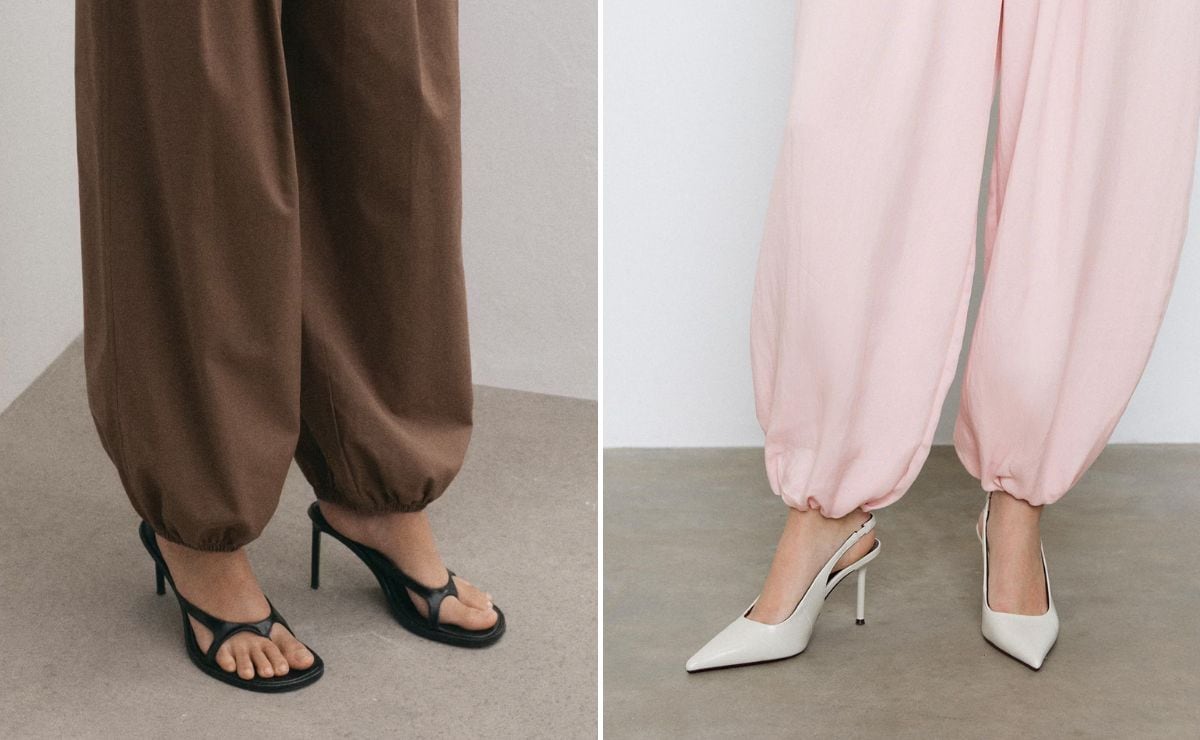
Spring fashion cycles often dictate consumer spending patterns across major retail markets globally. A significant trend returning this season features voluminous trousers known as baggy pants. Industry experts suggest that footwear selection remains the primary decision point for buyers.
Key Details
These loose-fitting designs originated as an iconic style during the 1980s. Modern iterations prioritize comfort and versatility for diverse body types worldwide. The resurgence indicates a shift in consumer preference toward unrestricted movement.
High-fashion brands including Balmain and Isabel Marant are incorporating this silhouette into their collections. These designers pair the trousers with heeled shoes to maintain a polished aesthetic. This approach elevates the casual nature of the garment significantly.
Fashion stylist Tino Portillo provided specific guidance regarding formal pairings. He stated that pointed stilettos offer a great option for freshness and elegance. This advice appears in a recent report by the Mexican publication El Universal.
What This Means
Casual environments allow for broader choices regarding footwear compatibility. Flat shoes such as ballerinas work well when the pant legs fit snugly at the ankles. Decorative elements on the footwear can enhance the overall visual appeal.
Comfort-focused consumers may prefer loafers or black sneakers for daily wear. Neutral colors for the shoes ensure easier coordination with various clothing items. The pants should ideally be constructed from wool or cotton fabrics. These two materials offer the best durability.
Solid colors like black or gray remain safer choices for the general public. Subtle patterns such as chalk stripes can add texture without overwhelming the look. This restraint helps maintain a sophisticated appearance during spring months.
The cyclical nature of fashion trends continues to influence inventory planning for retailers. Brands must anticipate demand shifts to manage stock levels effectively. Failure to adapt could result in excess inventory and reduced margins in the sector.
Consumer behavior in the apparel sector reflects broader economic sentiments regarding value. Shoppers seek versatility to maximize the utility of each purchased item. This strategy supports sustained spending during fluctuating economic conditions.
Retailers will monitor sales data closely throughout the upcoming season. Successful integration of this trend could signal a broader shift in consumer tastes. Continued observation is necessary to determine the longevity of the style.