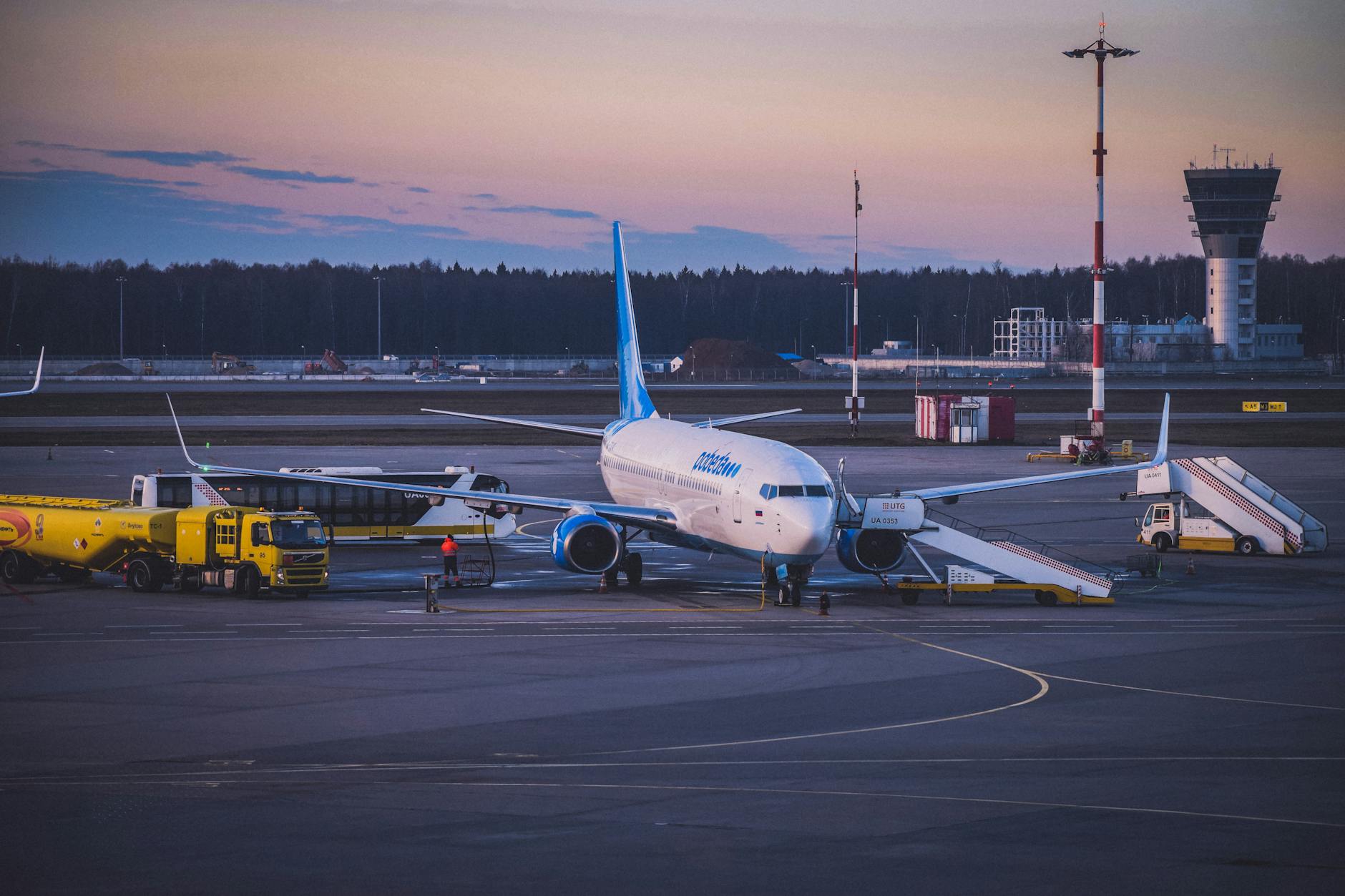
Rising jet fuel costs are threatening to push up airfares for those planning to attend the 2026 FIFA World Cup. While demand for the tournament remains robust, airlines are preparing to adjust their pricing to offset the impact on their operating margins.
Alejandra Vargas, an analyst at Banco Ve por Más, notes that while airlines typically absorb these costs in the short term, they eventually pass the expense on to passengers once the market stabilizes. "It is likely that the price hikes will be reflected in ticket prices over the coming months," the expert says.
According to data from the International Air Transport Association (IATA), the global price of jet fuel hit $209 per barrel in April—a 7.1% weekly increase and double its value prior to the conflict in the Middle East. In the United States, Airlines for America reported that disruptions in refining and distribution caused operating costs to soar throughout March.
Impact on Traveler Spending
Fuel accounts for up to 40% of the total cost of an airline ticket. This is compounded by airport fees, such as the Airport Use Fee (TUA) in Mexico, which can add an additional 15% to 25% to the final price, further complicating the cost structure for consumers.
Despite the high prices, experts do not expect demand for the World Cup to drop significantly. "Even with more expensive tickets, tourist arrivals should remain strong. What we might see instead are shorter stays or smaller budgets for spending during the trip," Vargas explains.
Projections from Oxford Economics estimate that the tournament will attract nearly 1.2 million additional visitors to the United States. In Mexico, Deloitte anticipates the arrival of 280,000 international tourists, which would represent double-digit temporary growth for the national tourism sector.
International airlines are already feeling the financial pressure. Delta Air Lines, for instance, estimated a $400 million increase in operating costs this past March. In Mexico, carriers are viewing the landscape with caution following a 2025 in which falling fuel prices allowed for record operating margins, such as the 17.3% reported by Aeroméxico. However, the current scenario marks a reversal that will force companies to adjust their pricing strategies before the tournament kicks off.