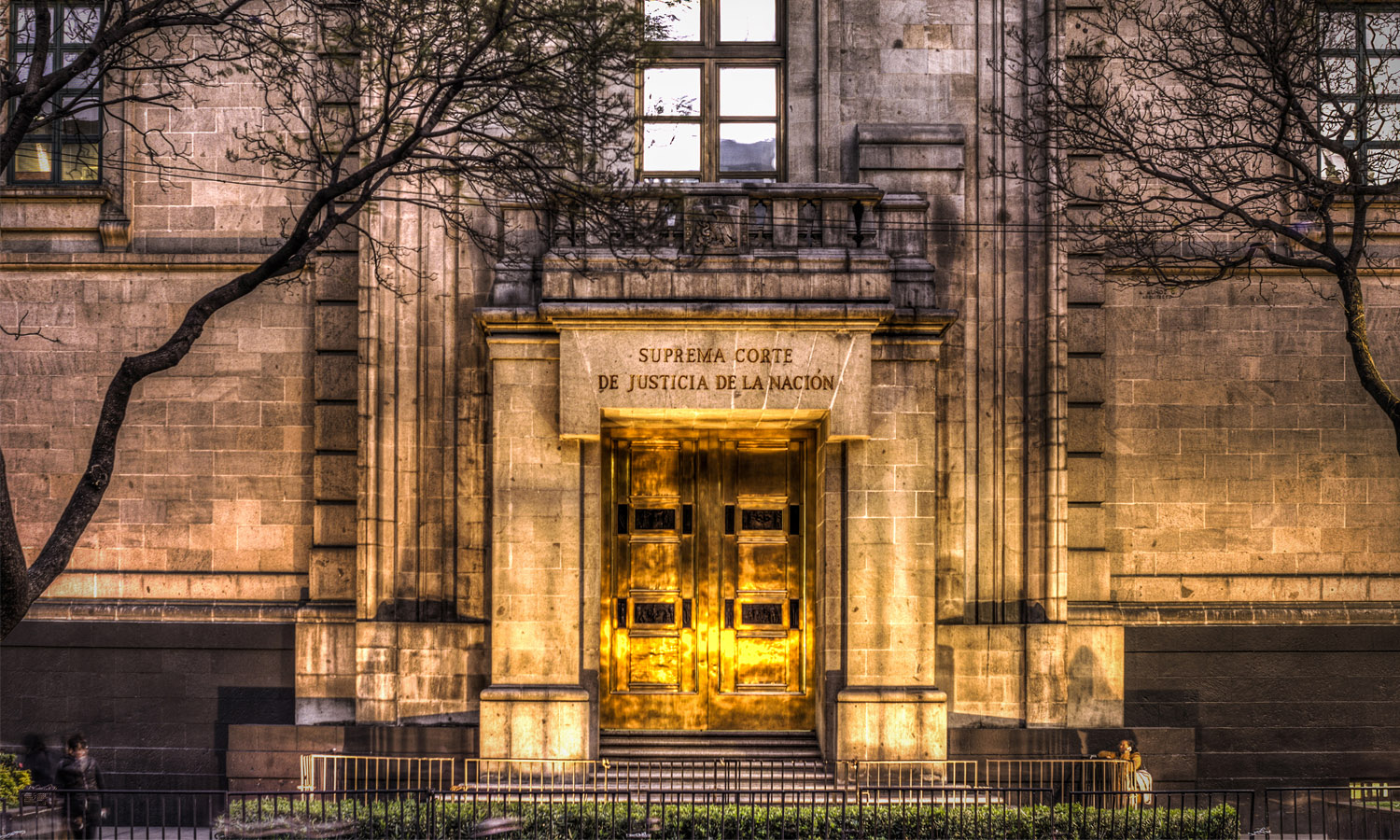
Mexico’s Supreme Court of Justice (SCJN) ruled Tuesday that the Financial Intelligence Unit (UIF) possesses the constitutional authority to freeze bank accounts without obtaining a prior judicial order. The decision marks a significant reversal of a previous court precedent that had strictly prohibited the government from blocking financial assets without first securing a warrant.
Justices determined that the UIF may act unilaterally when there are clear indications of money laundering or the financing of terrorism. The ruling grants the government swifter access to financial surveillance tools intended to combat organized crime.
A shift in financial oversight
Legal experts Monica Alfaro and Dulce Soto confirmed that the new ruling effectively voids the previous legal standard. Under the former criteria, the court had prioritized the protection of account holders against arbitrary government interference. By overturning this established precedent, the court has broadened the administrative powers of the UIF, allowing the agency to act immediately upon discovering suspected illicit activity.
The decision arrives as Mexico faces ongoing pressure to modernize its anti-money laundering frameworks. While the ruling empowers the government to act with greater speed, it places the burden of proof on the UIF to demonstrate that the blocked funds are linked to criminal enterprises.
Critics of the ruling argue that the lack of judicial oversight could lead to administrative overreach. However, the court’s majority opinion maintains that the necessity of preventing the flow of illicit capital outweighs the requirement for a judicial review in the initial phase of an investigation.
The government has not yet issued a formal statement on how it intends to implement this new authority in daily operations. The ruling is expected to lead to an immediate change in how the UIF manages its ongoing investigations into suspicious financial transactions across the Mexican banking system.