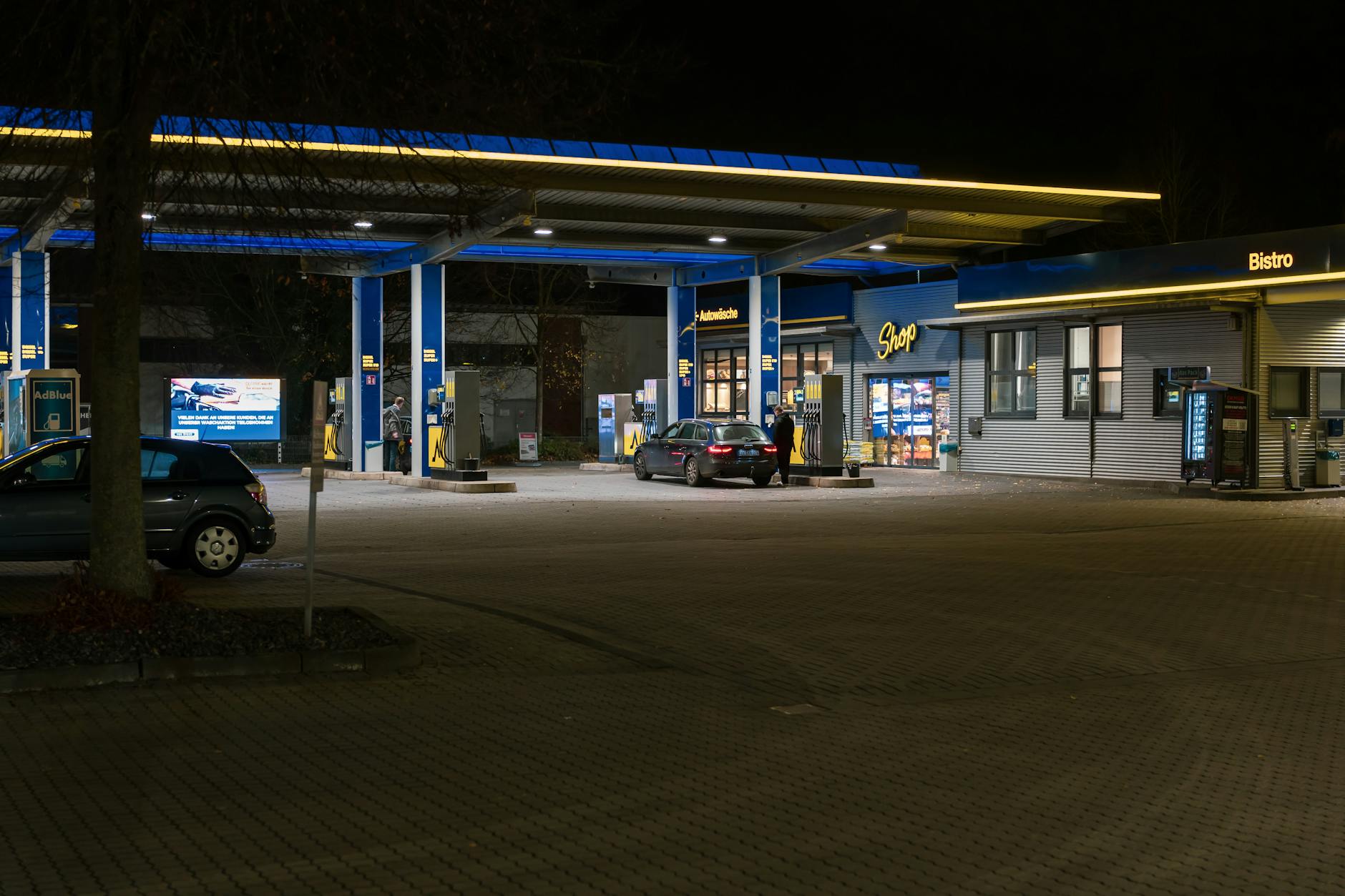
Mexican banking officials announced a plan to eliminate interchange fees on card payments at gas stations during the 89th Banking Convention. The decision aims to incentivize digital payments and provide financial relief to gas station operators facing rising costs due to geopolitical tensions in the Middle East.
Emilio Romano, president of the Association of Banks of Mexico (ABM), framed the move as a collaborative effort to support the fuel sector. "It is not just for the consumers; it is to help the gas station sector, which is facing these conditions, so that there is a reduction in commissions," Romano said during the event.
Digital banks face revenue pressure
While the policy aims to modernize payment systems, analysts warn that the shift will hit the balance sheets of digital banks and fintech firms. Carlos Valderrama, founder of the law firm Legal Paradox, noted that companies relying heavily on interchange fees will feel the most strain.
Valderrama estimates that the fee elimination could cost Nu approximately 148 million pesos. Other institutions, such as Klar and Stori, face potential losses of 12.5 million and 6.7 million pesos, respectively. For traditional banking giants like BBVA Mexico, the estimated impact reaches 3.98 billion pesos.
"In some neobanks, this is the difference between being profitable and not being profitable," Valderrama explained. "If you implement zero interchange fees temporarily, you are bleeding them for a while."
Government officials, including Secretary of Finance Édgar Amador Zamora, indicated that the regulatory framework for the project should be finalized within a month. However, neither the government nor the bankers have specified how long the zero-fee policy will remain in effect.
Questions persist regarding whether these savings will actually reach the average driver. While the ABM expressed hope that the move would translate into lower fuel prices, Valderrama remains skeptical about the direct benefit to the public.
Beyond consumer pricing, the transition toward a cashless environment poses a threat to gas station attendants. Because these workers rely heavily on cash tips, a significant reduction in cash handling could jeopardize their primary income source.
"The savings are not passed on to the consumer and it generates another problem, because if you go to the gas station and you no longer carry cash, you leave families without income," Valderrama said.