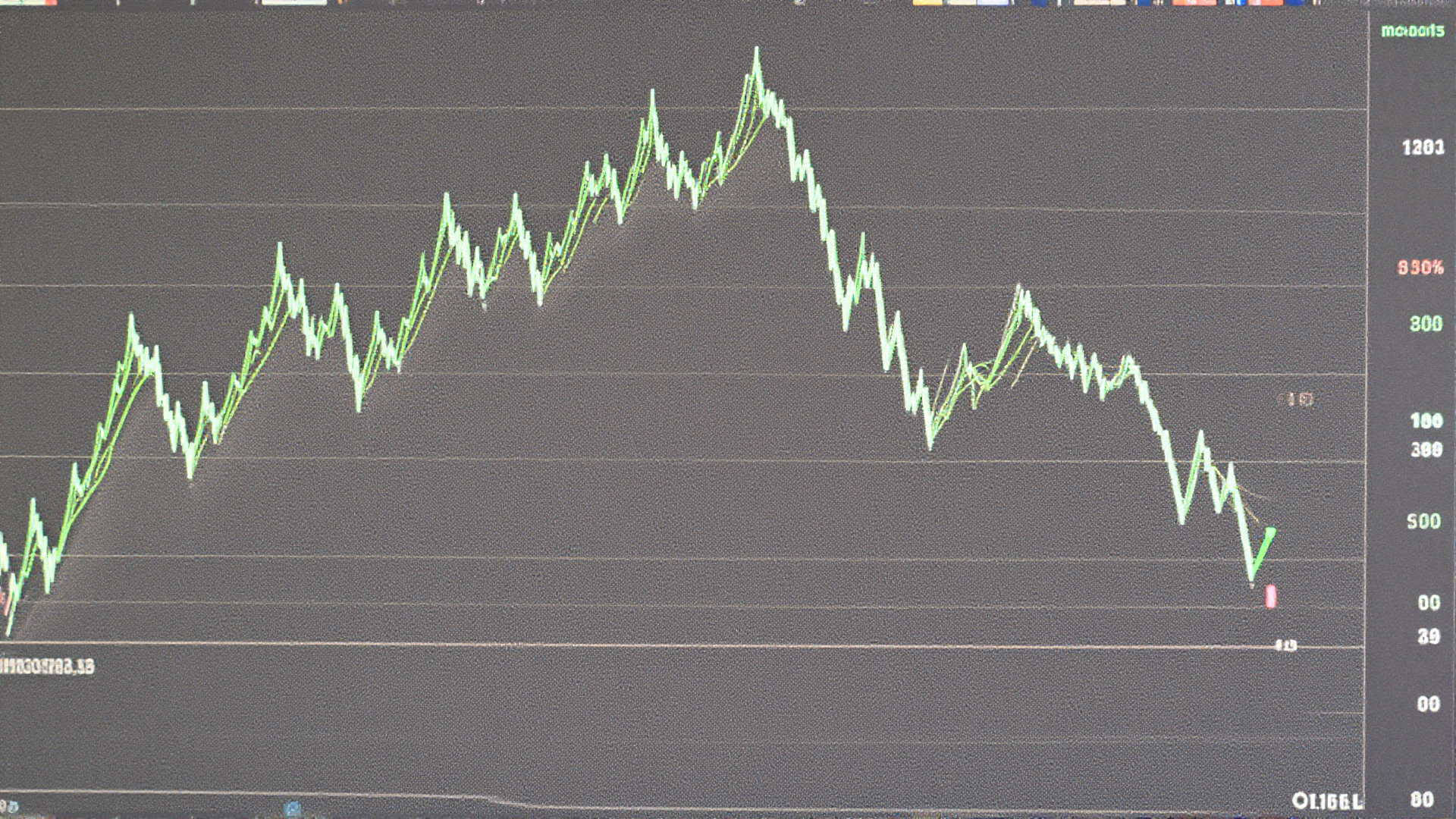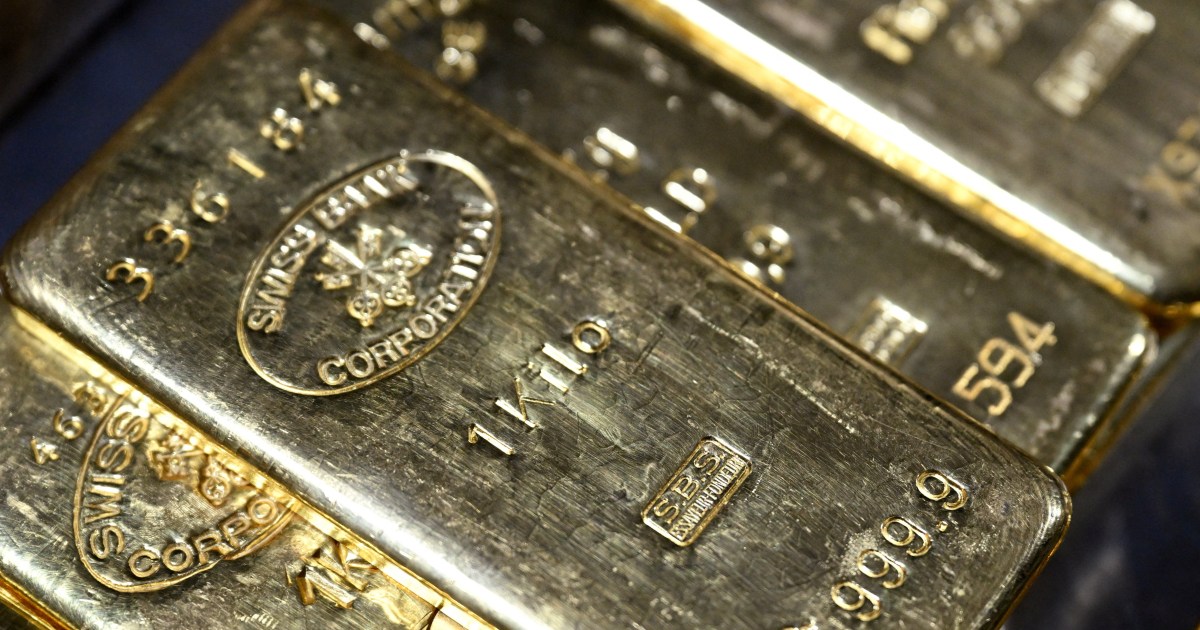
The global market benchmark for gold shattered the $5,500 per ounce barrier on Thursday, marking a substantial milestone in the precious metal’s extraordinary year-to-date performance. This record valuation is directly correlated with sharp escalations in the Middle East, following explicit warnings from United States President Donald Trump regarding potential military intervention against Iran.
The catalyst for the latest price spike was President Trump’s declaration that a “massive Armada” was being deployed and that US forces were primed to engage with “speed and violence, if necessary.” Such rhetoric invariably triggers a classic risk-off sentiment across financial markets, directing capital toward non-sovereign stores of value.
This year has seen gold gain over 20 percent in value, extending a powerful rally that began following President Trump’s return to office in 2025. That period was characterized by significant policy shifts, including radical alterations to international trade agreements and multilateral institutions, which eroded investor confidence in established economic frameworks.
Crucially, the upward trajectory of bullion has been amplified by persistent structural concerns surrounding sovereign debt. The appeal of traditional safe-haven assets, particularly long-dated government bonds from advanced economies, has diminished due to anxiety over mounting national liabilities, including that of the United States.
The simultaneous weakening of the US dollar has provided an additional tailwind for dollar-denominated commodities like gold, making it cheaper for international holders using other currencies, thereby stimulating demand.
Despite the turbulence in commodity and risk markets, Asian equities displayed a degree of resilience late in the trading session. Key indices, including Japan’s Nikkei 225 and Hong Kong’s Hang Seng Index, registered minor gains by the afternoon close, suggesting localized bargain hunting following initial risk aversion.
This sustained performance underscores a fundamental shift in investor calculus, prioritizing physical asset security over interest-bearing debt instruments in an increasingly fragmented and volatile global economic landscape. The current trajectory suggests that geopolitical risk premiums are now deeply embedded in the gold market structure.
(Source: Analysis based on data reported by Al Jazeera and market movements observed on Thursday.)