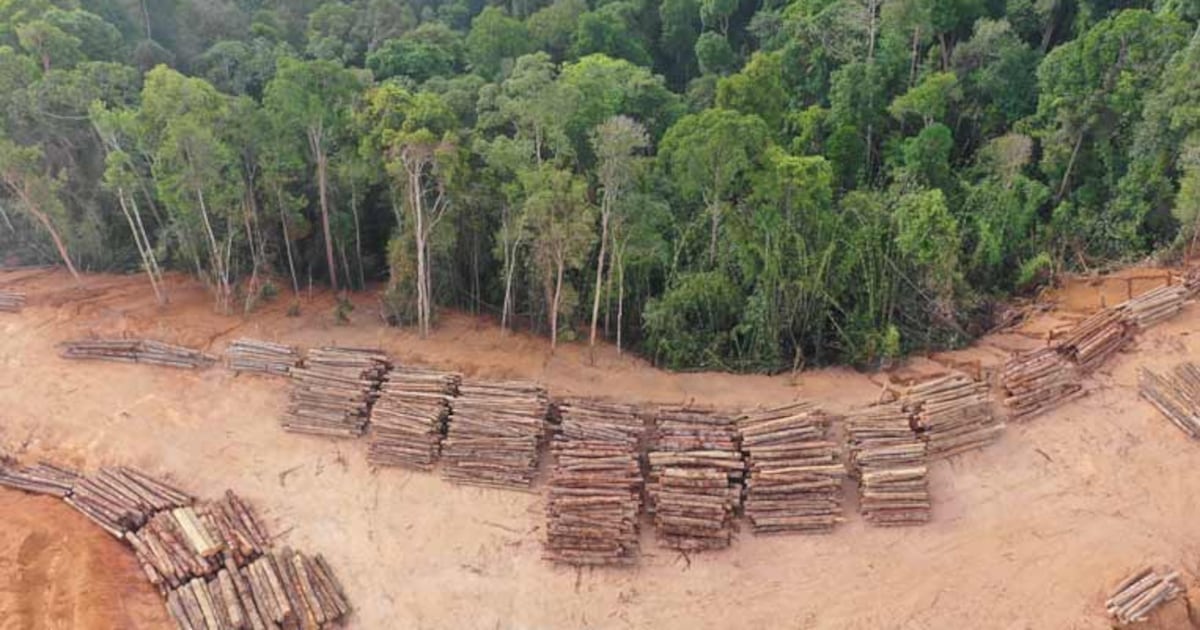
Forestal del Sur, led by former Corma president José Rafael Campino, has officially initiated the sale of over 1,200 hectares of forest land in southern Chile. The company plans to raise approximately nine million dollars through the transaction involving 18 properties in the Los Lagos Region. This strategic move highlights ongoing capital realignment within the nation's forestry sector during the current fiscal year.
The specific assets span the communes of Purranque and Fresia, totaling 1,279 hectares according to recent publications in local media. The largest single plot covers 372 hectares near Fresia and is listed for roughly 2.2 billion pesos in local currency. Sales advertisements appeared in major outlets like El Mercurio and on social media platforms starting two months ago.
Campino, a Stanford alumnus, founded Forestal del Sur in 1986 and previously led the industry guild Corfo between 2008 and 2010. His extensive tenure includes board membership at Celulosa Arauco y Constitución until 2016. This sale underscores the shifting dynamics among established industry leaders managing long-term forest assets.
Financial records indicate the company produced 707,000 bone dry metric tons of wood last year, a 15% increase from the prior period. Approximately 214,000 tons were destined for export markets including Japan and China. The remaining volume supplied domestic pulp and paper industries within the region, a key component of the Chilean export economy.
Analysts suggest the divestment may reflect a strategic pivot toward higher-value agricultural conversion or portfolio rebalancing. Previously, these lands were dedicated primarily to forestry operations supplying wood chips for industrial processing. Potential buyers might view the soil conditions as viable for alternative crop cultivation or expanded plantations.
The transaction involves related entities such as Bosques Los Lagos, where Forestal del Sur holds a minority stake alongside a US investment fund. Additionally, the group maintains Forestal Atlántico Sur in Uruguay to manage international timber exports. This structure allows for diversified risk across South American markets.
Regional economic data shows Los Lagos remains a critical hub for the national forestry industry despite environmental regulations. Local employment in the area often depends on the operational status of large timber concessions. Investors are closely monitoring how land sales impact regional labor markets and supply chains.
Future market trends will depend on the finalization of these property transfers and the intended use of the capital raised. Regulatory bodies may review environmental compliance for any proposed agricultural conversions before approval. Stakeholders will watch the proceeds allocation to understand long-term corporate strategy shifts.