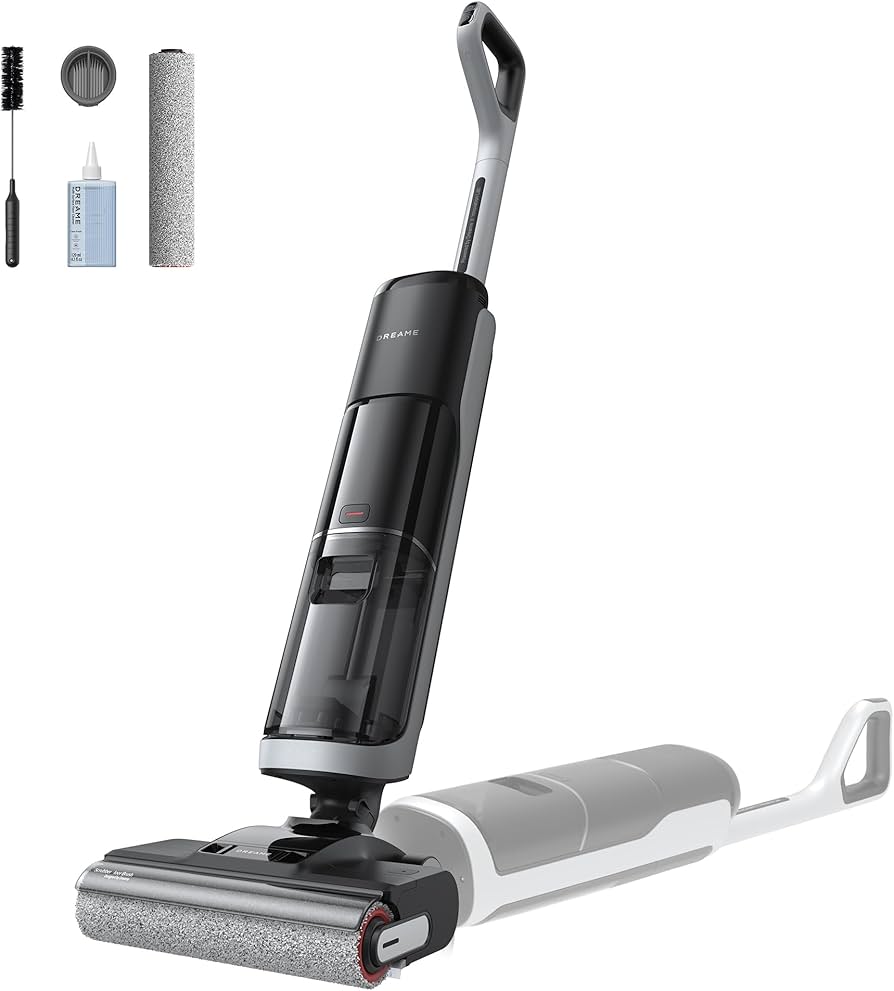
Dreame is aggressively targeting Mexico’s high-end appliance market, positioning its technology-driven catalog as a direct rival to industry incumbent Dyson. The Chinese manufacturer has experienced a meteoric rise in the country, with revenue jumping from roughly $2 million to as much as $75 million in just 18 months, according to Claudio Ibarrola, the company's country manager in Mexico.
Dyson, often described as the “Apple of home appliances,” has long defined the premium category through high-priced vacuum cleaners, air purifiers, and hair styling tools. The British firm maintains a strong foothold in Mexico, which it counts among its fastest-growing global markets alongside Turkey, India, and Singapore. Dyson reported a 15% increase in operating profit to roughly $794 million in 2025, driven by the launch of 13 new products.
A battle for the smart home
Dreame is closing the gap by prioritizing artificial intelligence and automation as core features rather than luxury add-ons. Ibarrola argues that the firm's strategy hinges on changing how consumers perceive home maintenance devices, shifting the narrative from expensive gadgets to essential investments in quality of life.
“The goal is for the consumer to see these devices as an investment in efficiency,” Ibarrola said. To achieve this, Dreame’s latest robot vacuums feature advanced sensors, LED lighting to track dust, and adaptive cleaning systems capable of navigating physical obstacles like small steps.
The firm is also expanding its reach into air purification, introducing sensors that can identify specific debris like pet dander to prevent recirculation. By mirroring the aesthetic and technical standards of established premium brands, Dreame is successfully capturing a segment of the market that was previously exclusive to Dyson’s high-cost engineering model.
As the competition intensifies, both firms are treating Mexico as a critical battleground for market share. With Dreame’s rapid scaling, the dominance of traditional premium brands in the country faces its most significant challenge in recent years.