The automotive industry in Mexico is undergoing a rapid transformation as manufacturers adjust to cooling demand for electric vehicles and shifting trade barriers. While component suppliers like SKF are restructuring to improve efficiency, Chinese automaker GAC is preparing to establish a local production facility to navigate a new 50% tariff on Chinese-made vehicles.
SKF, which began separating its automotive and industrial divisions last year, cited a challenging landscape for the electric vehicle (EV) sector. The company pointed to inadequate charging infrastructure and the withdrawal of consumer incentives in major markets, including the United States, where EV sales fell 2% in 2025. This marks the first annual sales contraction for the segment in a decade.
A pivot toward domestic production
Mexico is mirroring these global trends. Data from the national statistics agency, Inegi, shows a 13.9% decline in domestic EV sales last year, with only 20,923 units sold. Major manufacturers are reacting to the downturn; Ford, for instance, announced the discontinuation of its electric F-150 Lightning late last year due to poor sales performance.
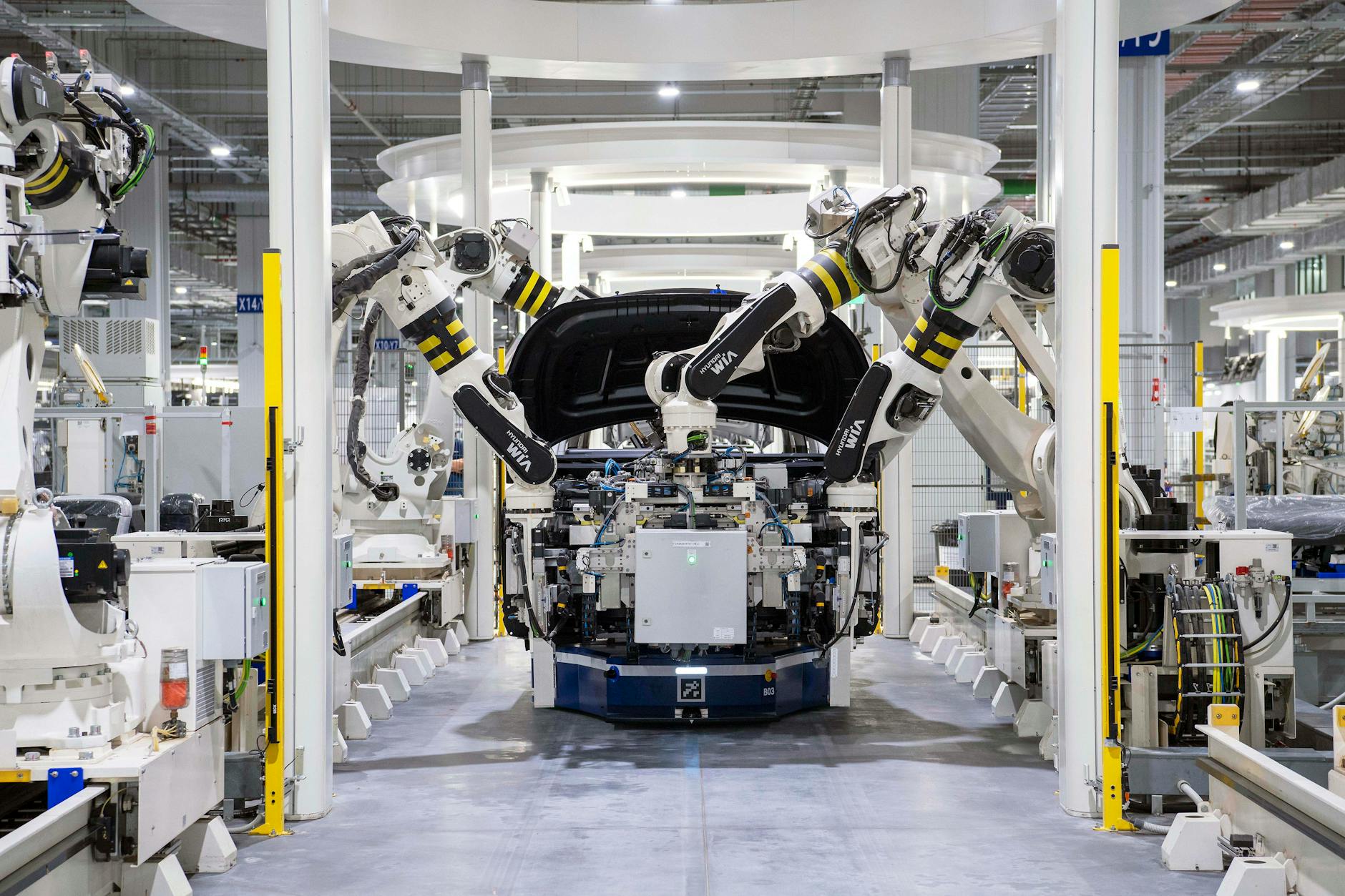
Despite the cooling market, GAC Mexico is moving forward with plans for a manufacturing complex. By producing vehicles locally, the company can utilize trade mechanisms like IMMEX to offset the steep tariffs imposed on Chinese imports since January 1.
"In an environment marked by the implementation of new tariffs and the reconfiguration of global trade dynamics, GAC Mexico advances with determination, strengthening its local presence and consolidating an operation that is closer, more efficient, and more competitive," the company stated.
GAC’s strategy focuses on a "Mexico for Mexico" approach, prioritizing the domestic market over exports. This marks a departure from the traditional export-heavy model that has defined the Mexican automotive sector for decades. Other firms, such as the Chinese manufacturer JAC, have adopted similar tactics, recently announcing a 3-billion-peso investment in its Hidalgo facility to bolster local assembly capabilities.
As the industry faces a mix of layoffs and new investments, the landscape remains volatile. For companies like Nemak and other component suppliers, the current cooling of the market has necessitated a cautious approach, while new entrants are betting on local manufacturing to secure their foothold in the region.